

These days, many of us are at risk of developing diabetes because of a combination of genetic factors, lifestyle habits, and the stress of daily life. But the good news is that some simple changes in our routine can make a meaningful difference to our blood sugar levels. One such habit is walking.
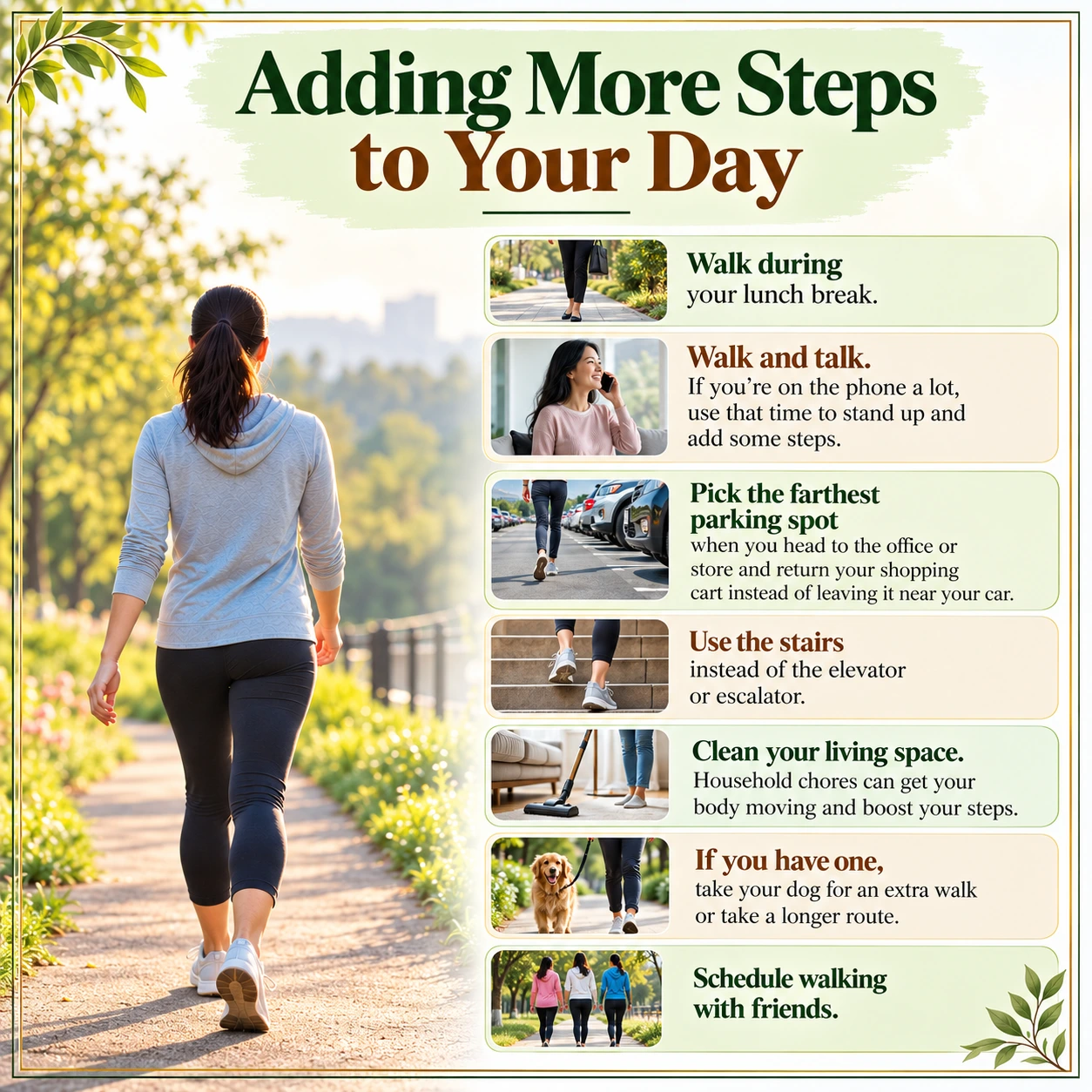
Walking is easy to start, requires no special equipment, and can be adjusted according to your age, fitness, and daily routine. Whether you have prediabetes, are at risk of developing type 2 diabetes, or are already living with diabetes, regular walking can be a valuable part of your daily life. You don’t need any special preparation or a separate exercise schedule. All you need is to make a conscious effort to find opportunities to move. It could be a walk in the morning or evening, during your lunch or tea break, while talking on the phone, in your lawn, while gardening, in a nearby park, or simply by parking your vehicle a little farther away and walking the remaining distance. Small opportunities are often easier to follow than big plans.
When you walk, your muscles use glucose for energy. Regular physical activity also helps your body respond better to insulin, making it easier to regulate blood sugar. Walking can support weight management and improve cardiovascular health, both of which are important for diabetes prevention and management. Research published in the British Journal of Sports Medicine on November 28, 2023, found an association between faster walking speeds and a lower risk of developing type 2 diabetes. This suggests that walking pace may matter, too. However, if you have been inactive for a long time, start at a comfortable pace and gradually increase your speed as your stamina improves.

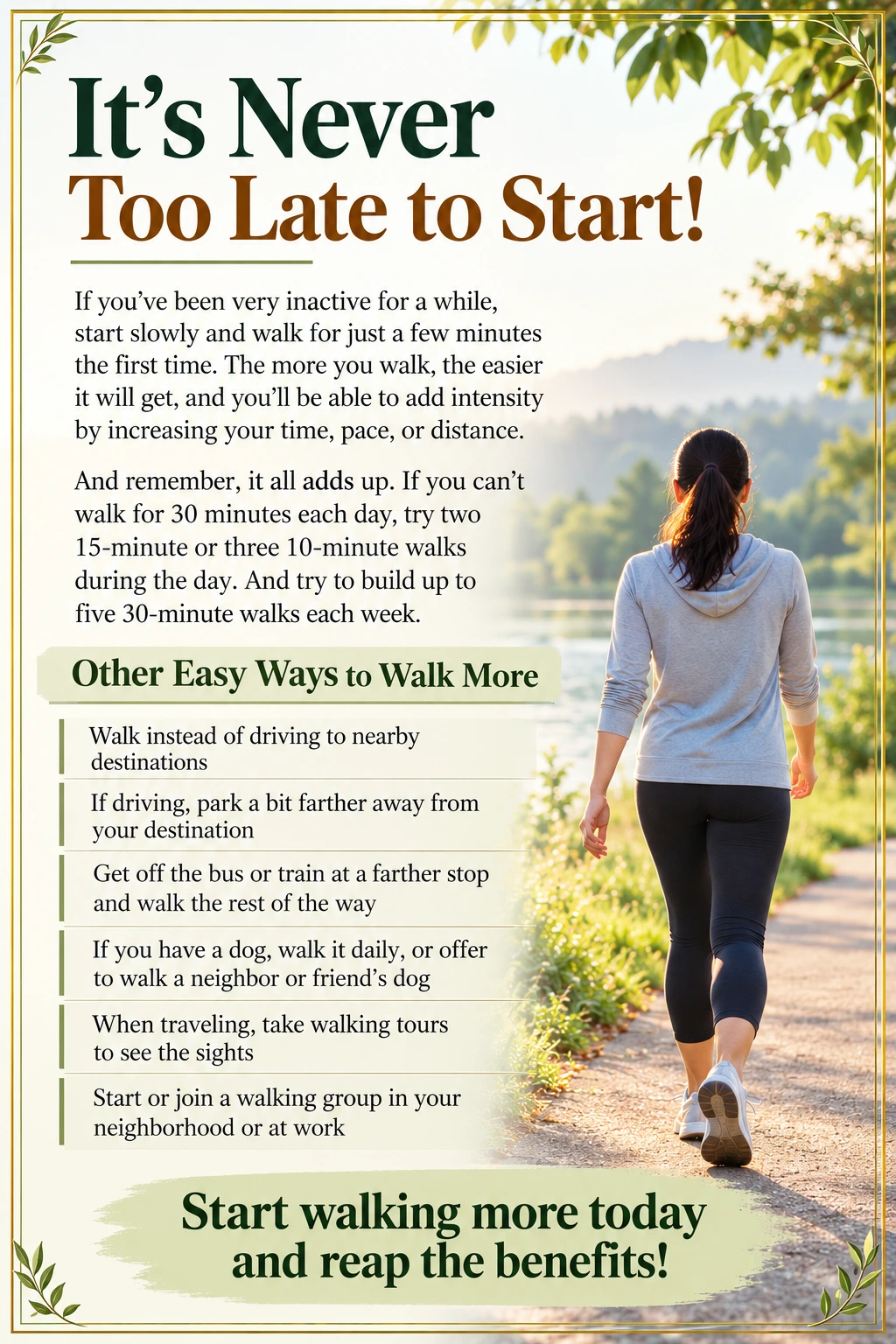
One practical suggestion I often like to share is to try a 10-minute walk after a meal. Research suggests that even a brief walk immediately after eating can help reduce the rise in blood glucose after a meal. It is a simple habit that can fit into even the busiest schedule. You don’t always need to find 30 continuous minutes for exercise. Two 15-minute walks or three 10-minute walks throughout the day can help you accumulate physical activity.

Gradually work towards 30 minutes of moderate-intensity walking on five days a week, if your health and fitness allow. You may also aim for 10,000 steps a day if that suits your circumstances. A step-counting watch can serve as a useful reminder and help you become more aware of your daily activity. However, remember that 10,000 steps is not a compulsory target for everyone. If you have been inactive, begin with just five to ten minutes and increase your walking time or pace as you become comfortable. Consistency matters more than achieving a particular number from the very beginning.
If you are living with diabetes and taking insulin or medicines that can cause low blood sugar, discuss exercise-related precautions with your healthcare professional. Wear comfortable footwear and check your feet regularly, particularly if you have diabetes-related foot problems. Walking is an important part of diabetes care, but it complements your prescribed treatment rather than replacing medication or regular medical follow-up.
You don’t have to change your entire lifestyle overnight. Begin with one small, achievable step. Walk for ten minutes after lunch, take a short walk after dinner, or find a few extra minutes to move during your working day. Gradually, make walking a natural part of your everyday routine.
Remember, managing diabetes is not only about what you eat or which medicine you take. It is also about the small, consistent choices you make every day. Start where you are, keep moving, and give your body the benefit of regular physical activity.
Take care!