
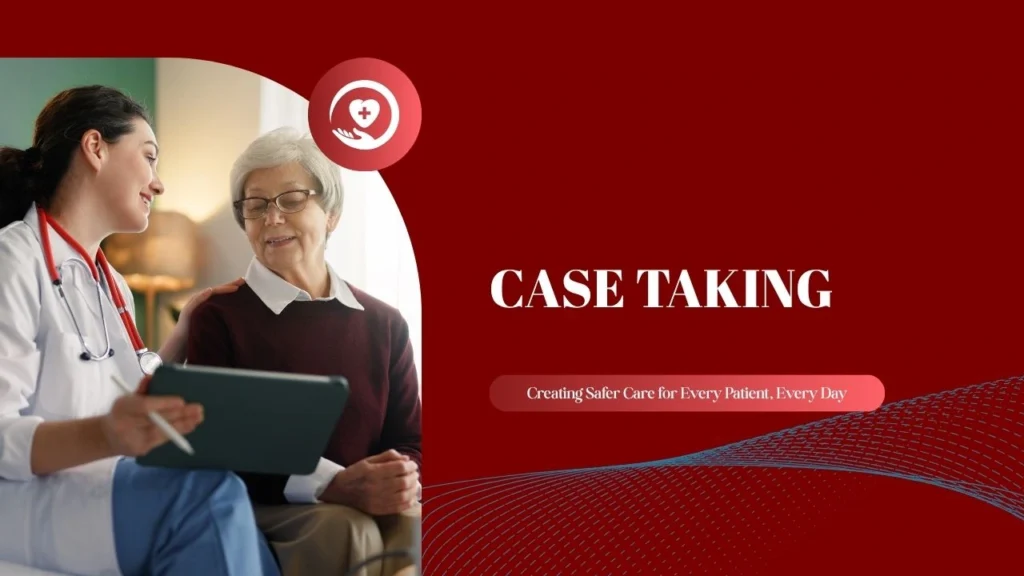
The art of observation, the mathematics of induction, the logic required to reach a diagnosis, and the science of deduction needed to write a prescription.
In my second year of college, we were finally allowed to attend the OPD. Oh ho! What should I wear to get the perfect doctor’s look? Apron buttons closed or open? Stethoscope around the neck or tucked into the apron pocket? Torch, diary, and of course, a pen. We were already getting late.
All of us had to assemble together for the first-day briefing of the OPD and IPD.
The briefing started, but my focus was somewhere else. What would I do after the briefing? Which department should I choose? Here, science and sociology made a deal. I finally selected a cabin where I felt I could comfortably share my ideas with the medical officer. I have never learned well in a pressure-filled environment. Unfortunately, medical colleges often place a lot of pressure on students regarding appearance, grades, communication skills, and many other things.
Finally, I was inside the cabin, waiting for the doctor’s attention so I could ask for a chance to take a case. There were more than fifteen students, along with interns, surrounding him. Should I ask for my turn or not?
Just then, sir turned toward me and asked, “Would you like to do the case taking?”
“Yes, sir. Thank you.”
The patient was a 40-year-old woman suffering from hair fall.
She asked me, “Aap log abhi seekh rahe hain na?”
My response was a mixture of apprehension and confidence. I still remember how cooperative she was throughout the interaction.
By the end of the case, it appeared that some investigations were required to confirm the diagnosis, especially a thyroid profile and a whole-abdomen ultrasound. Based on the totality of symptoms, sir prescribed the medicine and advised the patient to undergo the recommended blood tests and ultrasound examination.
From that day until today, nearly twenty years later, case taking remains one of my favorite parts of daily practice.
Even now, I repeatedly read the “Case Taking” section from Organon of Medicine (5th and 6th editions) and Part I of Harrison’s Principles of Internal Medicine (15th edition), especially the chapter “The Practice of Medicine.“
I hope you are reading them too. They are almost mandatory for growth as a doctor.
Here I am sharing a few tips to sharpen your case-taking skills.
Tips for Better Case Taking
– There is no hurry. Let the patient settle down.
– Always offer the patient a seat.
– Begin with friendly questions in the local language, such as, “Kaise ho?” or “Kya hua?”
– While the patient is narrating the problem, encourage them with small responses like, “Achha,” “Ohh,” or “Aur kya hua?”
– Once the patient has finished speaking, gather the detailed history of each complaint.
Taking Physical Generals
The entry into physical generals can be very easy.
Start with common gastric questions. If the patient has already mentioned gastric issues, use them as a lead to explore appetite, cravings, and aversions.
Then proceed systematically through:
– Appetite
– Thirst
– Cravings
– Aversions
– Stool
– Urine
– Perspiration
– Thermal preferences and weather sensitivities
– Sleep
Dreams often provide an excellent window into the patient’s mental generals.
Exploring Mental Generals
By this stage, you have already observed the patient’s mood, temperament, behavior, and overall mental state.
Now explore the mental sphere in groups:
- Fond of company or like to be alone
- Anxiety, nervousness, anticipations, and fears.
- Anger, frustration, and irritability.
- Habits and behavioral traits such as fastidiousness, organization, love of nature, artistic interests, fidgetiness, or clumsiness.
Confirmation and Prescription
The next stage depends largely on your knowledge of medicine and disease.
Ask confirmatory questions to:
– Establish or rule out the diagnosis.
– Confirm the remedy under consideration.
– Differentiate between similar medicines.
This helps in arriving at a more accurate prescription.
If the Diagnosis Is Not Clear
It is perfectly acceptable if you are unable to arrive at a final diagnosis or the perfect similimum during the consultation.
Advise appropriate investigations and imaging studies whenever required. Study the case and the indicated medicines afterward at home.
Provide lifestyle and dietary advice according to your current knowledge and read about these later at home. Do not forget to note down past medical history, treatment details, and medication history.
Always rule out nutritional deficiencies, systemic illnesses, and drug side effects before finalizing your diagnosis.
Case taking is a skill that improves with every patient you meet. Keep observing, keep learning, and keep refining your approach.
“No greater opportunity, responsibility, or obligation can fall to the lot of a human being than to become a physician. In the care of the suffering he needs technical skill, scientific knowledge and human understanding. He who uses these with courage, with humility, and with wisdom will provide a unique service for his fellow man, and will build an enduring edifice of character within himself. The physician should ask of his destiny no more than this; he should be content with no less.
Tact, sympathy and understanding are expected of the physician, for the patient is no mere collection of symptoms, signs, disordered functions, damaged organs, and disturbed emotions. The patient is human, fearful, and hopeful, seeking relief, help and reassurance.”
Let me know if you have any questions related to case taking.